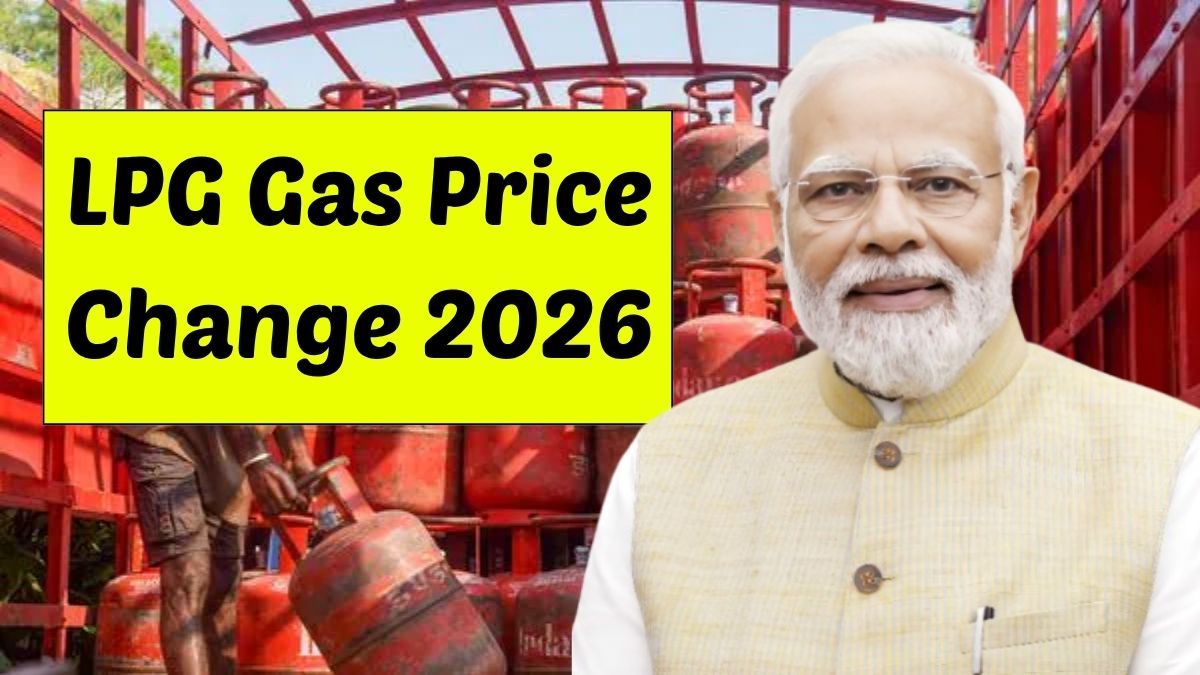
LPG gas cylinders are an essential part of every Indian kitchen. However, whenever prices increase, it directly affects the monthly budget of millions of households. At the end of March 2026, LPG prices have once again been revised, creating concern among consumers across the country.
Latest LPG Prices in Major Cities
As per the new rates effective from March 31, 2026, the price of a 14.2 kg domestic LPG cylinder has increased in major cities:
- Delhi: Around ₹950 per cylinder
- Mumbai: Around ₹975 per cylinder
The variation in prices between cities is due to factors like transportation costs, local taxes, and distribution systems. Other parts of the country are also experiencing similar changes in LPG rates.

Why Are LPG Prices Increasing?
There are several reasons behind the rise in LPG prices:
International Market Impact
India imports a large portion of its LPG requirements. When global crude oil prices increase, it directly affects domestic LPG prices.
Supply Chain Issues
Disruptions in global production and supply chains can also lead to price increases.

Transportation and Taxes
Within India, transportation costs and state-level taxes play a significant role in determining the final price for consumers.
Experts believe that until India reduces its dependence on oil imports, such price fluctuations will continue.
What About LPG Subsidy?
The government continues to provide subsidies to certain categories of consumers. To ensure transparency, the subsidy system is linked with Aadhaar cards, so that only eligible beneficiaries receive the benefit.

However, it is still unclear how many consumers are actually receiving the full subsidy in practice.
Who Is Most Affected?
The rise in LPG prices is impacting middle-class and low-income families the most. With inflation already increasing the cost of living, higher gas prices are putting extra pressure on household budgets.
As a result, many people are now exploring alternative cooking options, such as:

- Using electric induction cooktops
- Returning to biomass-based stoves
- Adopting biogas solutions, especially in rural areas
Government’s Steps to Address the Issue
The government is working on long-term solutions to reduce the impact of rising LPG prices. These include:
- Promoting renewable energy projects
- Encouraging the setup of biogas plants in rural and semi-urban areas
- Reducing dependence on imported oil
These steps aim to make India more energy-independent and protect citizens from global price fluctuations.
Long-Term Solutions for Consumers
While LPG price hikes are a concern, adopting alternative energy sources can help reduce dependence on gas. Using energy-efficient appliances and exploring renewable options can also help households manage expenses better in the long run.

Disclaimer
The prices and information mentioned in this article are based on publicly available sources. Actual LPG rates may vary depending on your city and gas distributor. For accurate and updated information, consumers should contact their local gas agency or visit official government portals.
The recent increase in LPG prices has added pressure on household budgets, especially for middle- and lower-income families. While the government is taking steps to address the issue, consumers may need to adapt by exploring alternative energy options. In the long run, reducing dependence on imported fuel can help stabilize prices and provide relief to the public.